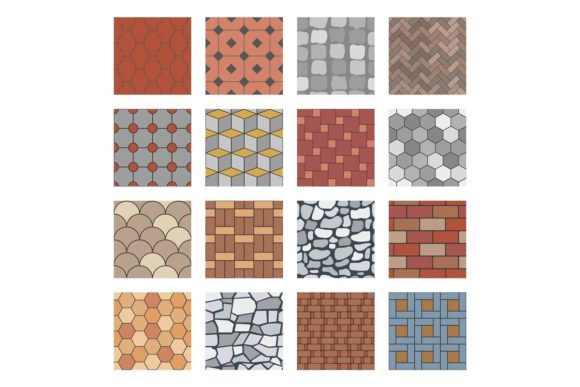
Paving Stone Pattern: A Strategic Tool for Design, Planning, and Creativity
The Paving Stone Pattern is more than just a visual design element—it’s a strategic framework that can be applied across multiple domains to enhance planning, communication, and long-term outcomes. Whether you're designing a brick paver walkway, laying rock stones slab, or creating a street pavement floor block, the Paving Stone Pattern offers a structured approach to decision-making that aligns with both aesthetic and functional goals.
Understanding the Paving Stone Pattern
The Paving Stone Pattern refers to the systematic arrangement of interlocking or adjacent stone elements in a way that creates a cohesive, durable, and visually appealing surface. It's commonly used in architectural elements like garden stones floor roads, outdoor pathways, and even interior spaces. At its core, the pattern is about repetition, alignment, and balance—principles that extend far beyond physical construction into strategic thinking and planning.
This pattern is particularly effective when working with seamless isolated vector patterns set, which allows for flexibility in design while maintaining consistency. The use of one vector EPS10 file provides a scalable and editable foundation, making it ideal for professionals who need precision in their work. However, the true power of the Paving Stone Pattern lies not just in its visual appeal but in how it supports intentional decision-making.
Why the Paving Stone Pattern Matters Strategically
In a world where creativity and execution often compete for attention, the Paving Stone Pattern offers a bridge between the two. By applying this pattern strategically, individuals and organizations can achieve better results in areas such as branding, customer experience, and operational efficiency.
For instance, when designing a brick paver walkway, the Paving Stone Pattern ensures that each element contributes to a larger vision. This approach helps maintain clarity in communication, reduces errors in execution, and fosters a sense of purpose throughout the project. Similarly, in marketing or content creation, adopting a consistent pattern—whether in layout, messaging, or branding—can reinforce brand identity and improve user engagement.
The Paving Stone Pattern also plays a role in enhancing productivity. By organizing tasks or ideas in a structured manner, individuals can avoid overwhelm and focus on what truly matters. This is especially valuable for freelancers, entrepreneurs, and small business owners who need to manage multiple projects simultaneously.
When to Use the Paving Stone Pattern
The Paving Stone Pattern is most effective when there is a clear goal or objective in place. It works best in scenarios where consistency, predictability, and long-term value are priorities. Here are some situations where the pattern is particularly useful:
- Design Projects: When creating garden stones floor roads or street pavement floor blocks, the Paving Stone Pattern ensures durability and visual harmony.
- Branding Initiatives: A consistent pattern in logo design, website layout, or social media visuals reinforces brand identity and recognition.
- Content Creation: Structuring blog posts, videos, or presentations using a repeating pattern improves readability and user retention.
- Operational Planning: Applying the pattern to workflows or task management systems can streamline processes and reduce inefficiencies.
However, it's important to note that the Paving Stone Pattern should not be applied universally. In some cases, a more organic or varied approach may yield better results. For example, in creative fields like art or architecture, introducing variation within a structured framework can lead to more dynamic and engaging outcomes.
How to Approach the Paving Stone Pattern
Before implementing the Paving Stone Pattern, consider the following steps to ensure it aligns with your goals:
- Define Your Objectives: Clearly outline what you hope to achieve through the use of the pattern. Is it about aesthetics, functionality, or long-term sustainability?
- Evaluate Your Context: Assess the environment in which the pattern will be applied. Does it require flexibility, durability, or scalability?
- Choose the Right Tools: If working with vector files, ensure you have the appropriate software, such as Adobe Illustrator, to edit and refine the pattern as needed.
- Test and Refine: Experiment with different variations of the pattern to find the optimal balance between structure and creativity.
- Monitor Outcomes: Track the effectiveness of the pattern over time and make adjustments based on feedback and real-world performance.
By following these steps, you can ensure that the Paving Stone Pattern serves as a strategic asset rather than a rigid constraint.
Risks of Using the Paving Stone Pattern Without Clear Goals
While the Paving Stone Pattern offers numerous benefits, its misuse can lead to unintended consequences. One of the primary risks is the lack of alignment with broader objectives. Without a clear purpose, the pattern may become a superficial design choice that fails to deliver meaningful results.
Additionally, over-reliance on the pattern without considering context can result in inflexibility. In fast-paced environments or complex projects, a one-size-fits-all approach may hinder innovation and adaptability. For example, in a rapidly evolving market, a static pattern may limit the ability to respond to changing customer needs or industry trends.
Another risk is the potential for visual monotony. While the Paving Stone Pattern promotes consistency, excessive repetition can lead to a lack of interest or engagement. This is particularly relevant in digital spaces where users expect variety and dynamic content.
Practical Examples and Strategic Observations
To illustrate the strategic value of the Paving Stone Pattern, consider the following examples:
Example 1: Outdoor Pathways
A commercial property owner uses the Paving Stone Pattern to design a brick paver walkway. The consistent pattern not only enhances the aesthetic appeal but also ensures durability and ease of maintenance. This strategic choice improves the overall customer experience and supports the property's long-term value.
Example 2: Branding Strategy
A startup applies the Paving Stone Pattern to its website layout and social media visuals. The repetitive yet organized design reinforces brand identity, making it easier for customers to recognize and remember the company. This consistency contributes to stronger brand loyalty and improved marketing outcomes.
Example 3: Content Planning
A blogger structures their content using the Paving Stone Pattern, ensuring each post follows a similar format. This approach improves readability, encourages regular engagement, and supports the development of a loyal audience.
These examples highlight how the Paving Stone Pattern can be adapted to suit various contexts, provided it is applied with intention and awareness.
Conclusion: Using the Paving Stone Pattern Intentionally
The Paving Stone Pattern is a powerful tool that extends beyond its physical application. By understanding its strategic value and applying it thoughtfully, individuals and organizations can achieve better results in design, planning, and execution.
Whether you're working on a brick paver walkway, a garden stones floor road, or a digital marketing campaign, the Paving Stone Pattern offers a structured approach to decision-making. Its key strength lies in its ability to balance consistency with flexibility, making it an invaluable asset for creators, professionals, and decision-makers alike.
Ultimately, the success of the Paving Stone Pattern depends on its intentional use. By aligning it with clear goals, evaluating its context, and continuously refining its application, you can unlock its full potential and drive meaningful outcomes.