Seamless Flower and Leaf: A Versatile Design Resource for Creative Projects
When it comes to designing wedding invitations, greeting cards, fabric patterns, or decorative elements, finding the right visual assets can make a significant difference. Seamless Flower and Leaf is a design resource that offers a unique blend of aesthetics and functionality, making it an attractive option for designers and creators. This article explores what Seamless Flower and Leaf is, why it might be useful, and how it compares to other design tools.
What Is Seamless Flower and Leaf?
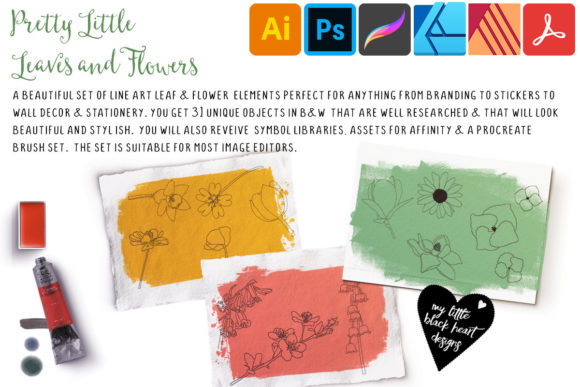
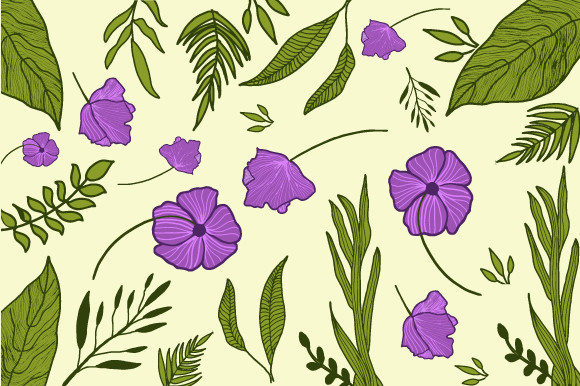
Seamless Flower and Leaf is a digital illustration designed for seamless tiling. It features intricate floral and leaf patterns that repeat without visible seams, making it ideal for backgrounds, textiles, and other repetitive design applications. The illustration comes in multiple formats, including EPS (Encapsulated PostScript) and JPG pixel format, ensuring compatibility with various design software and platforms.
The EPS format allows for full editability, giving users the flexibility to adjust colors, sizes, and arrangements as needed. This makes it particularly useful for those who want to customize the design to suit their specific project requirements. Additionally, the high-resolution option up to 300 dpi ensures that the design remains crisp and clear, even when scaled up for large-format printing.
Why Would Someone Be Interested in Seamless Flower and Leaf?
There are several reasons why Seamless Flower and Leaf could be appealing to designers and creatives:
- Aesthetic appeal: The floral and leaf motifs offer a natural, elegant look that complements a wide range of design themes.
- Flexibility: The ability to edit and rearrange the design elements allows for personalization and adaptability across different projects.
- Compatibility: The availability of both EPS and JPG formats ensures that the design can be used in a variety of software programs, from Adobe Illustrator to Photoshop.
- Cost-effective: Using a single design for multiple applications can save time and resources compared to creating custom illustrations from scratch.
Benefits and Considerations
One of the primary benefits of using Seamless Flower and Leaf is its versatility. Whether you're working on a wedding invitation, a fabric pattern, or a sticker design, the seamless nature of the illustration ensures that the pattern flows smoothly without any disruptions. This is especially valuable for large-scale projects where consistency is key.
Another advantage is the level of detail provided in the design. The high-resolution option (up to 300 dpi) ensures that the illustration maintains its quality even when printed at larger sizes. This is crucial for applications such as banners, signage, or fabric prints, where clarity is essential.
However, there are also some considerations to keep in mind. While the EPS format offers full editability, it may not be suitable for all design software. Users should ensure that their preferred program supports EPS files before making a purchase. Additionally, the design is pre-made, which means it may not be customizable beyond the available options unless the user has advanced editing skills.
When Is Seamless Flower and Leaf a Strong Fit?
Seamless Flower and Leaf is particularly well-suited for projects that require repetitive, seamless patterns. This includes:
- Wedding invitations and stationery
- Fabric and textile designs
- Sticker and tape design templates
- Backgrounds for websites or presentations
- Custom packaging and branding materials
In these scenarios, the seamless tiling feature ensures that the design looks cohesive and professional, without the need for manual repetition or adjustment.
When Might Alternatives Be Worth Considering?
While Seamless Flower and Leaf is a strong choice for many applications, there are situations where alternatives may be more appropriate:
- Custom illustration needs: If the design requires unique elements not included in the original file, creating a custom illustration may be more effective.
- Software limitations: If the user's design software does not support EPS files, they may need to explore alternative formats or tools.
- Highly specialized use cases: For niche applications such as architectural design or scientific visualization, a more specialized tool may be necessary.
Ultimately, the decision to use Seamless Flower and Leaf depends on the specific goals and requirements of the project. By evaluating the design’s strengths and limitations, users can determine whether it aligns with their creative vision and technical needs.
Conclusion
Seamless Flower and Leaf is a valuable resource for designers and creatives looking for a versatile, high-quality design asset. Its seamless tiling, editable format, and high resolution make it well-suited for a wide range of applications. However, it is important to consider the limitations and alternatives to ensure that the design meets the specific needs of the project. By carefully evaluating the options available, users can make informed decisions that best support their creative goals.