Easter Island Statues Heads Moai Chile: A Unique Blend of History and Modern Design
The Easter Island Statues Heads Moai Chile are more than just ancient relics; they are a powerful symbol of human ingenuity, cultural heritage, and artistic expression. These iconic stone figures, carved by the Rapa Nui people over 1,000 years ago, have captured the imagination of historians, archaeologists, and creatives worldwide. Today, the visual representation of these statues has evolved into a versatile asset that bridges the past and present, offering endless possibilities for modern design and creative industries.
What Are the Easter Island Statues Heads Moai Chile?
The Moai, or Easter Island Statues, are monumental human-like figures carved from volcanic rock. Originating from the remote island of Rapa Nui in the South Pacific, these statues were created by the indigenous Rapa Nui people between the 13th and 16th centuries. Each statue represents an ancestor, and they were believed to embody the spiritual power of the community. The statues were originally positioned around the island’s perimeter, facing inland, to watch over their people.
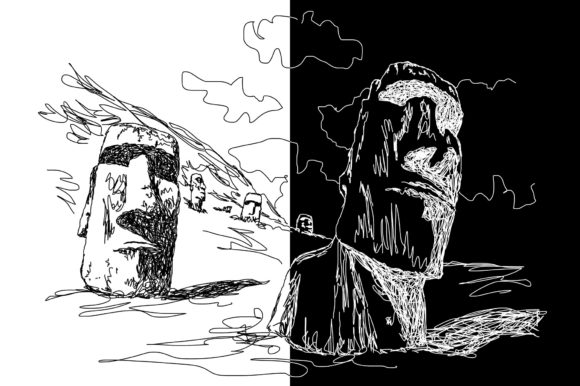
Today, the Moai have become a global icon of mystery, history, and artistry. The availability of high-resolution digital assets—such as the one described in this article—offers designers, entrepreneurs, and creators a unique opportunity to incorporate these timeless symbols into their work. The set includes four image formats: two JPGs (black lines on white background and white lines on black background) and two PNGs (black lines with transparent background and white lines with transparent background). This variety allows for flexibility in use, whether for print, digital media, or product design.
Why the Easter Island Statues Heads Moai Chile Matter in Modern Design
In an era where consumers seek authenticity, storytelling, and cultural resonance, the Moai have emerged as a compelling design element. These statues evoke a sense of history, mystery, and human achievement that resonates across cultures and generations. For professionals in the creative industry, the Moai represent not just a visual motif but a narrative tool that can be woven into branding, marketing, and product development.
For instance, businesses in the lifestyle and home décor sectors can leverage the Moai to create products that appeal to those interested in ancient cultures, spirituality, and craftsmanship. A line of wall art featuring the Moai could attract customers looking for meaningful decor, while merchandise like mugs, phone cases, and stickers can tap into the growing market for culturally inspired consumer goods.
Moreover, the versatility of the provided image files makes them ideal for a wide range of applications. The transparent backgrounds of the PNG files allow for seamless integration into any design without the need for background editing. This is particularly valuable for digital artists and designers working on web interfaces, mobile apps, or social media content. The high resolution (300 dpi) ensures that the images remain sharp and clear, even when scaled up for large-format prints or detailed illustrations.
How the Moai Fit Into Current Market Trends
The resurgence of interest in ancient cultures and historical artifacts reflects broader trends in both the creative and consumer markets. As people become more conscious of their cultural roots and the stories behind objects, there is a growing demand for designs that tell a story or connect with heritage. This aligns perfectly with the Moai, which are rich in symbolism and historical significance.
Additionally, the rise of print-on-demand (POD) services and digital publishing platforms has made it easier than ever for creators to bring their ideas to life. The availability of high-quality, royalty-free assets such as the Easter Island Statues Heads Moai Chile enables designers to produce custom products quickly and efficiently. Whether it's a book cover for a KDP project or a pattern for a shower curtain, the Moai offer a unique visual identity that stands out in a crowded marketplace.
Another trend driving the popularity of the Moai is the increasing emphasis on sustainability and ethical sourcing. Many consumers now prefer products that are ethically produced and environmentally friendly. By using digital assets rather than physical materials, designers can reduce waste and support sustainable practices. The Moai, as a digital asset, allows for this kind of eco-conscious approach without compromising on quality or aesthetics.
Practical Applications and Creative Possibilities
The potential uses for the Easter Island Statues Heads Moai Chile are vast. Here are some practical examples:
- Product Design: Use the Moai as a central motif for items like mugs, t-shirts, and phone cases. The black and white variations offer a classic look, while the transparent PNGs allow for customization with different color schemes.
- Graphic Design: Incorporate the Moai into posters, flyers, and social media graphics to create visually striking content that draws attention and conveys a sense of history.
- Interior Design: The Moai can serve as a focal point in home decor, adding a touch of mystique and cultural depth to living spaces.
- Book Covers: The high-resolution images are perfect for creating eye-catching book covers, especially for fiction, non-fiction, and historical novels.
- Digital Art: Artists can use the Moai as a base for digital paintings, sketches, or mixed-media projects, blending traditional and contemporary styles.
These applications highlight how the Moai can be adapted to suit various industries and audiences. Whether you're a designer, entrepreneur, or hobbyist, the flexibility of the provided assets ensures that the Moai can be integrated into your creative workflow seamlessly.
Conclusion: Embracing the Legacy of the Moai
The Easter Island Statues Heads Moai Chile are more than just images—they are a bridge between the past and the present, offering a unique blend of history, culture, and creativity. As the creative and design industries continue to evolve, the Moai stand as a testament to the enduring power of human expression and innovation.
By leveraging these assets, professionals and enthusiasts alike can create products and content that resonate with a global audience. Whether used for branding, marketing, or personal projects, the Moai provide a versatile and meaningful visual element that enhances both aesthetics and storytelling.
With the right tools and insights, the legacy of the Moai can be preserved and reimagined in ways that honor its origins while embracing the future of design and creativity.